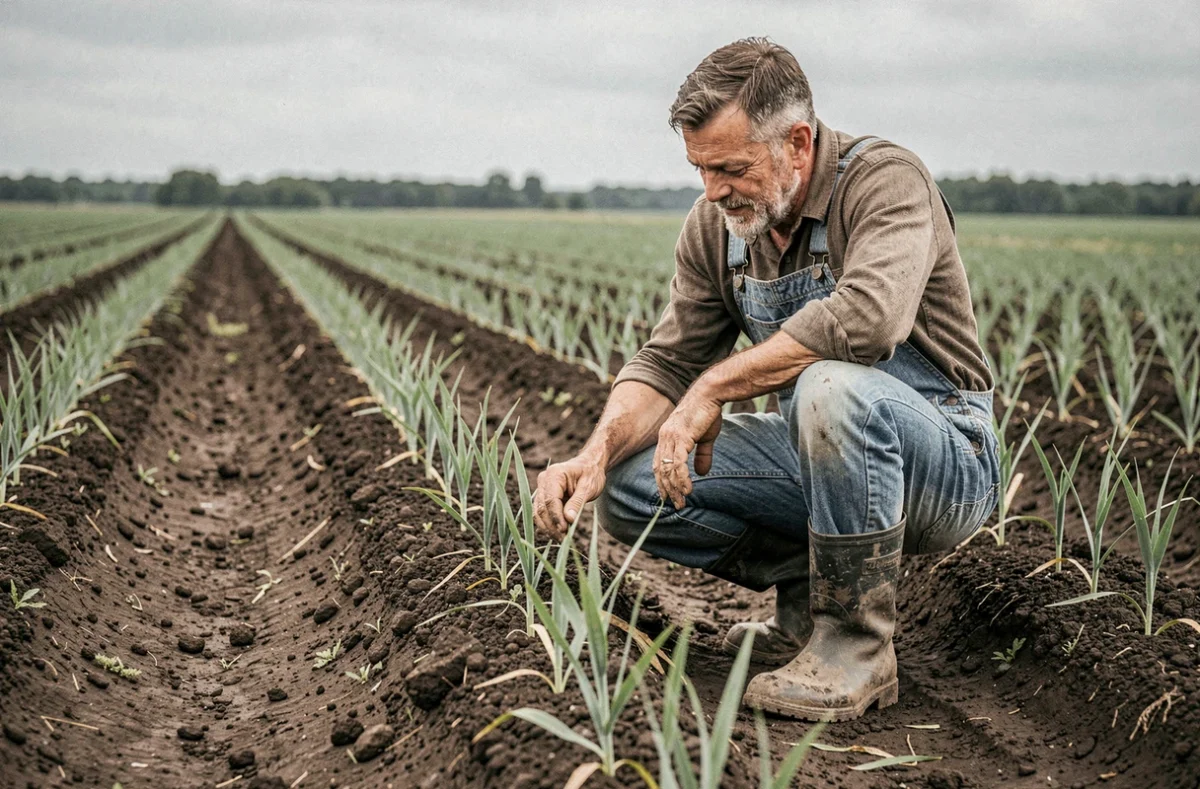
Article L 311-1 of the Rural and Maritime Fishing Code establishes the foundation: any activity corresponding to the management and exploitation of a biological cycle of a plant or animal nature is considered agricultural. This civil definition permeates rural law, tax law, social law, and, by extension, urban planning law, which, however, lacks its own definition of agricultural activity.
Biological cycle and legal qualification: what the Rural Code really requires
The concept of a biological cycle is not limited to cultivation or breeding in the common sense. It implies human intervention at one or more stages of the development of a living organism. Simple storage of goods or trading in agricultural products does not meet this criterion.
The text then distinguishes two extensions of the main activity. Activities referred to as “in the extension of the production act” cover the transformation and marketing of products from the farm (direct sales, cheese processing, methanization). Those “supported by the farm” include agritourism, educational farms, or farm stays.
This three-tiered structure (biological cycle, extension, support) determines the scope of rural law as a whole: rural leases, the competence of joint tribunals, collective agricultural procedures, affiliation with the MSA. An operator whose main activity does not fall under the biological cycle loses the benefits of all these regimes, including the possibility of building in zone A of a PLU.
To delve deeper into the exact scope of these criteria, Madam Business resources detail each category of activity and its legal consequences.
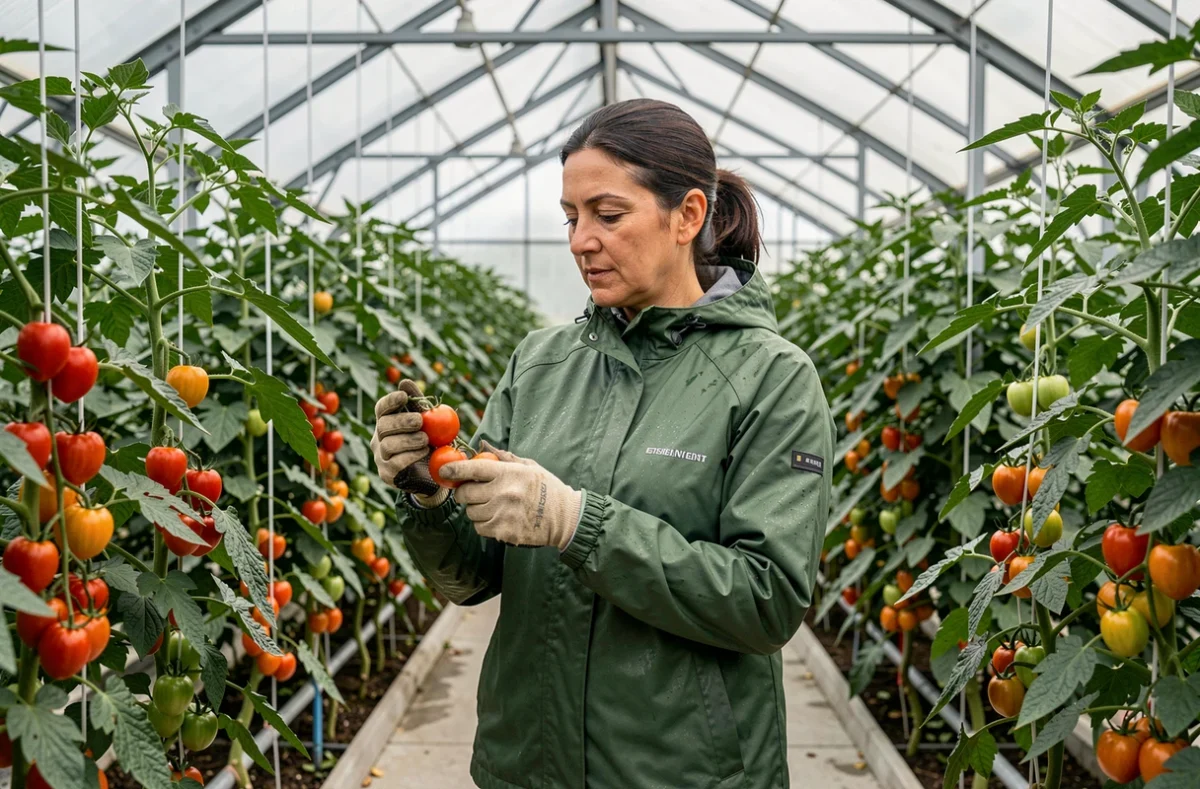
Agricultural social status and MSA affiliation: the criteria for obligation
The agricultural regime, managed by the Mutualité sociale agricole, encompasses all participants in the farms. Affiliation occurs under several distinct statuses, the boundaries of which are sometimes blurred in practice.
- The non-salaried farm manager falls under the regime of non-salaried agricultural workers as long as they manage a farm reaching the threshold of obligation (minimum installation area or equivalent working time).
- Collaborating spouses, family helpers, and farm partners have specific statuses that grant them their own social rights, although their protection remains inferior to that of the farm manager.
- Agricultural employees (workers, technicians, managers) fall under the salaried regime of the MSA, with distinct collective agreements depending on the sectors (specialized crops, livestock, cooperation).
- Service providers operating on the farm (such as agricultural work companies) are also affiliated with the agricultural regime based on their main activity.
Affiliation depends on the nature of the activity, not the location of exercise. An operator who processes their products in an urban location remains agricultural if the processing concerns the production from their farm. Conversely, a processor purchasing raw materials from third parties falls under the industrial or commercial regime, even if they work in a rural area.
Agricultural corporate forms: EARL, GAEC, SCEA and their implications
The underlying trend is clear: companies are gradually replacing individual farms. Family employment is declining, and collective management is becoming the dominant model for new installations.
The GAEC (Groupement agricole d’exploitation en commun) remains the only corporate form benefiting from the principle of transparency. Each partner is treated as an individual operator for the calculation of CAP aids and social thresholds. This transparency disappears in the EARL or SCEA, which radically alters the economic sizing of the project.
The EARL (Exploitation agricole à responsabilité limitée) limits the partners’ liability to their contributions but requires that the operating partner be a natural person. The SCEA offers more capital flexibility (legal entities allowed in the capital), at the cost of unlimited liability for the partners.
The choice of legal form also conditions the applicable tax regime. GAEC and EARL default to income tax (agricultural profits), with an option for corporate tax. The SCEA follows the same principle, but the option for corporate tax profoundly modifies the management of the operator’s contributions and the valuation of land.
Agrivoltaics and new activities: when agriculture conditions authorization
The decree of April 8, 2024, and the order of July 5, 2024, now regulate agrivoltaic installations. The guiding principle is clear: agricultural activity must remain the main activity of the parcel. The installation of solar panels must not significantly reduce agricultural production or divert the land’s vocation.
This regulatory framework reinforces the definition of article L 311-1 by giving it operational significance in energy law. An agrivoltaic project that does not demonstrate the effective maintenance of a biological cycle on the parcel will be rejected. Controls focus on actual agricultural production, not on a mere declaration of intent.
For operators in rural leases, the situation becomes more complicated: the installation of panels on rented land may require authorization from the joint tribunal, depending on the nature of the lease and the destination clauses of the parcels.
Renewal of generations and installation outside the family framework
Family succession remains common, but installation outside the family framework is increasing among operators established since the early 2010s. The aging of operators and the prospect of many retirements by the end of the decade make succession a structural issue.
Candidates outside the family framework face specific obstacles:
- Access to land remains the primary barrier, exacerbated by competition from non-agricultural projects (urbanization, energy) and by the land retention of sellers.
- The installation pathway (personalized professionalization plan, young farmer grant) requires a minimum agricultural training, which excludes certain profiles in retraining without suitable support.
- The economic valuation of small farms does not always allow for the repayment of initial investments within a reasonable timeframe.
Welcoming project holders from outside the agricultural sector requires rethinking support systems, particularly in terms of mentoring, land holding, and progressive financing. Collective structures (GAEC, agricultural test spaces) facilitate this transition by pooling financial risk.
The qualification of agricultural activity determines access to land, social regime, taxation, building rights, and now the possibility of developing energy projects. Every decision regarding structure or diversification must be re-evaluated through the lens of article L 311-1, under penalty of losing the benefits of a legal framework designed to protect the operator.