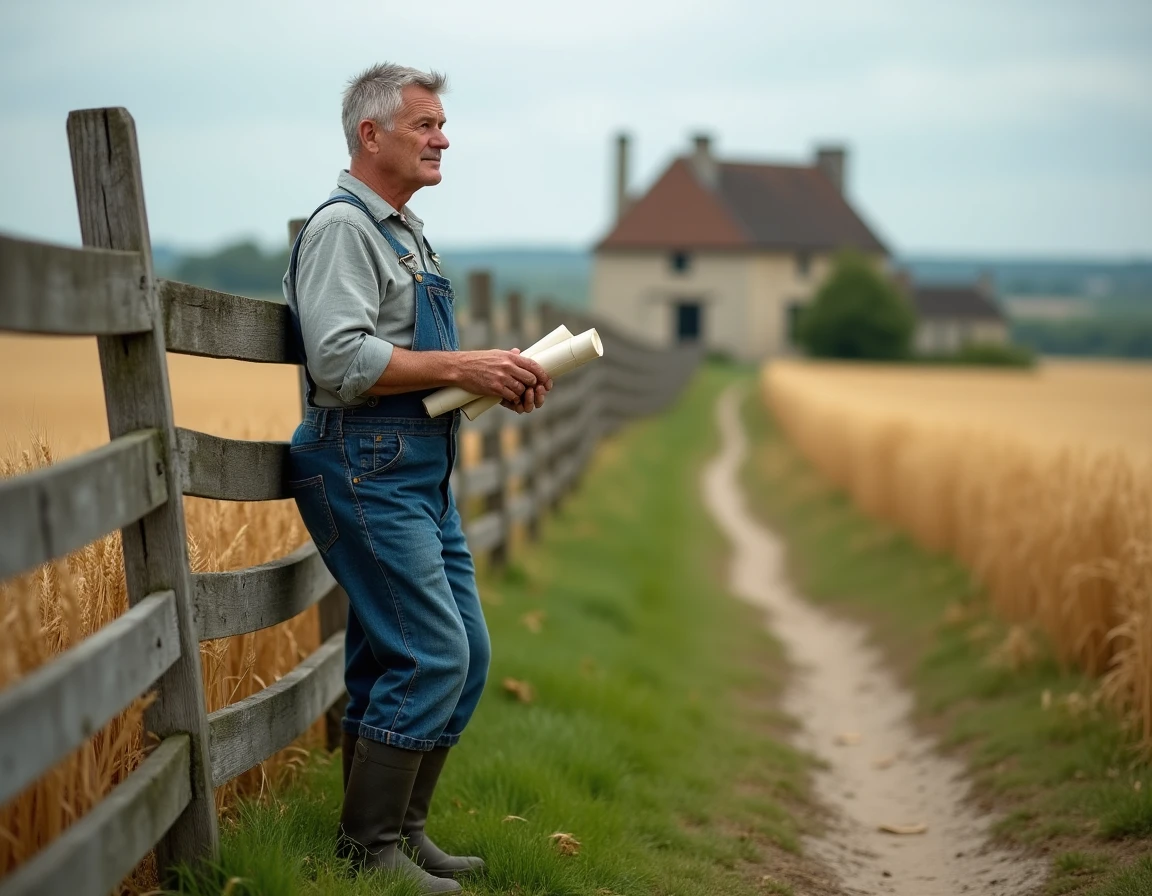
The zoning A of the PLU locks down the buildability of agricultural plots. Any nighttime occupation, even without foundations, falls within a legal framework that goes beyond simple property rights. The classification of the accommodation (mobile leisure residence, light housing, bivouac) determines the applicable regime, the penalties incurred, and the real maneuvering margins of the owner or operator.
Reclassification as tourist facilities: the trap of placement thresholds
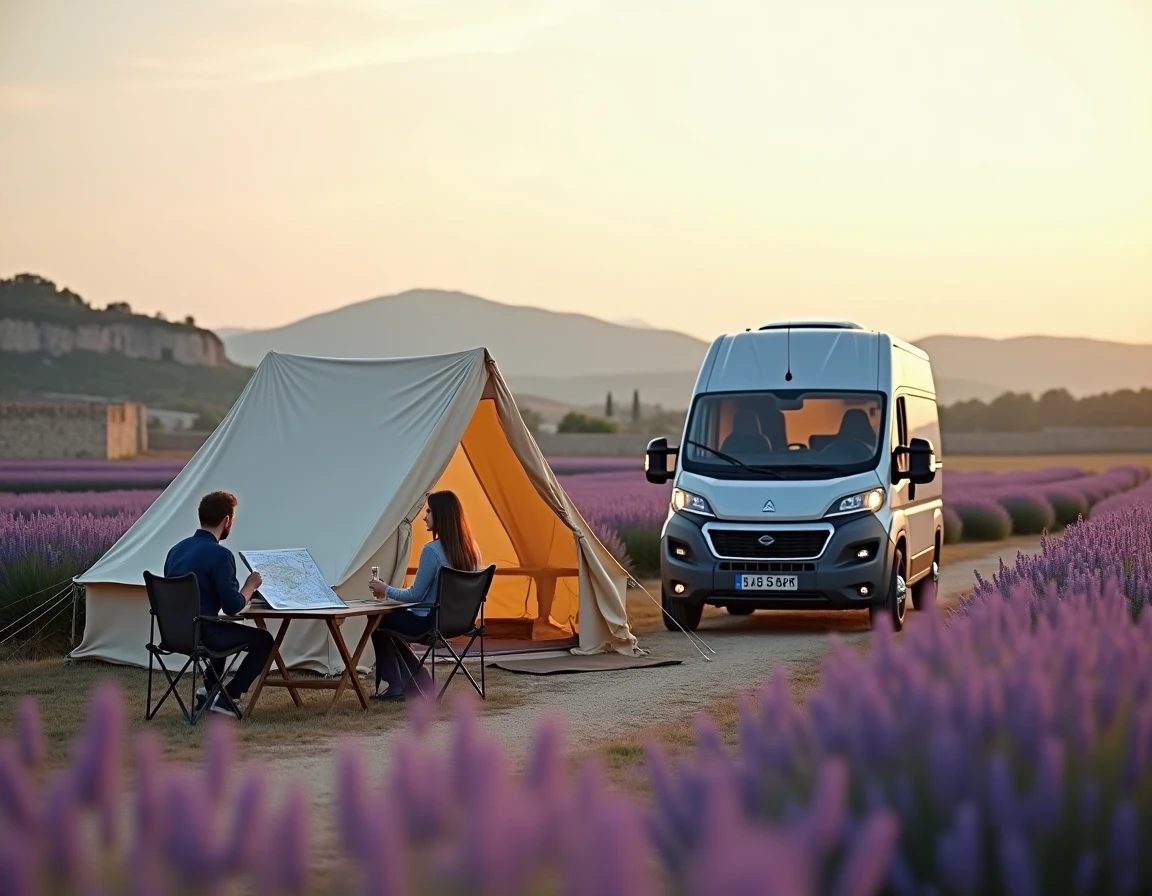
We observe a clear trend among the instructing services to reclassify accommodation projects on agricultural land as tourist facilities subject to development permits. The mechanism is simple: beyond six placements, a development permit is required, with obligations similar to those of a small campsite.
The reclassification is not limited to the number of spots. Even below this threshold, an area regularly receiving the public can be considered an establishment open to the public. The owner then finds themselves subject to fire safety requirements, access for emergency services, and the display of an internal regulation.
In practice, municipalities often impose hard surfacing, compliant wastewater management, accessibility for persons with reduced mobility, and fire safety devices. The review process is similar to that of an ERP, with timelines and costs that most project leaders underestimate. Before any steps are taken, it is useful to master the regulations for sleeping on agricultural land in its various components.
Climate Law and land artificialization: direct impact on agricultural zones
The Climate and Resilience Law has tightened the conditions for occupying zone A. Several recent PLUs explicitly prohibit the creation of mobile leisure residences or light leisure housing year-round in agricultural zones, including without foundations. The reason cited: the fight against land artificialization.
Only truly temporary installations remain conceivable in non-buildable areas. The notion of temporary is assessed strictly. A caravan parked for several consecutive months, even on land owned by the owner, no longer qualifies as temporary in the eyes of the administration.
This evolution significantly reduces setups that involved placing a mobile home or a tiny house on agricultural land by invoking the absence of foundations. The criterion of artificialization no longer solely concerns construction but the actual use of the land.
Legal status of accommodations: caravan, mobile home, light housing, and bivouac
The legal classification of what you place on the land radically changes the applicable regime. We recommend distinguishing four categories:
- The caravan retaining its mobility can park temporarily without urban planning permission, but prolonged parking (beyond three months per year) on agricultural land requires prior declaration at the town hall and is often prohibited by the zoning A regulations of the PLU.
- The mobile home stripped of its wheels is reclassified as a construction. It loses its status as a mobile leisure residence and falls under the building permit regime, which is nearly impossible to obtain in agricultural zones unless directly linked to the operation.
- Light leisure housing (HLL), yurts, cabins, tipis, fall under the urban planning code as soon as they exceed a certain floor area. Their installation in zone A requires a modification of the PLU or classification in STECAL (sector of limited size and capacity).
- The one-night bivouac (from sunset to sunrise) remains tolerated on private land with the owner’s agreement, unless there is a contrary municipal or prefectural order. It does not generate any urban planning obligations.
The specific case of the link with agricultural activity
The urban planning code allows in zone A the constructions and installations necessary for agricultural operation. A function housing for the operator may be admitted under strict conditions. Tourist accommodation on the farm (rural gîte, guest house) is sometimes possible if the PLU provides for a dedicated STECAL or if the tourist activity remains ancillary to the main agricultural activity.
The accommodation must be directly linked to the operation to escape the principle prohibition. An owner who is not an operator wishing to sleep on their agricultural plot cannot invoke this exception.
Sanctions and disputes in agricultural zones: what the owner risks
The unauthorized installation of accommodation in zone A exposes one to a report of violation of the urban planning code. The town hall or prefecture can order the restoration of the land, with daily penalties in case of non-compliance.
The criminal court can be seized for construction without authorization, with significant fines and the obligation to demolish or remove the installation at their own expense. Jurisprudence is consistent on this point: the removable nature or absence of foundation does not constitute a valid argument if the occupation is durable.
The civil liability of the owner is also engaged if third parties (welcomed campers, visitors) suffer damage on the land. The assimilation to an establishment receiving the public, even informal, increases this liability.
Negotiation with the town hall and modification of the PLU
For a structured project (natural camping area, unusual accommodations, farm hosting), the legal route involves modifying or revising the PLU. The creation of a STECAL in zone A allows for the authorization of occasional tourist activities without reclassifying the entire plot.
Negotiation with the town hall relies on demonstrating the low environmental impact of the project and its compatibility with the surrounding agricultural activity. Local elected officials also assess the coherence with the SCoT and the objectives for reducing artificialization set at the intercommunal level.
The timeline for modifying a PLU varies by municipality, but we rarely see completed procedures in less than a year. This timeframe should be integrated from the project’s conception, before any material investment on the land.
There is room for maneuver, but it requires a solid file, early dialogue with urban planning services, and acceptance of the fact that sleeping on agricultural land in France is never a right acquired solely by property ownership.