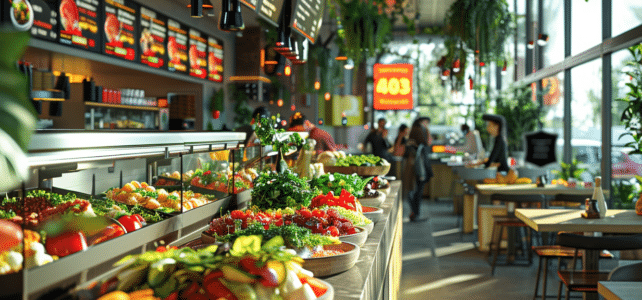
In response to a growing demand for diversity in food options, major fast-food chains in France are evolving. Consumers, increasingly concerned about their health and the environment, are seeking vegetarian, vegan, gluten-free, or other specific dietary alternatives. In response, these brands are revising their menus to include innovative dishes that align with new expectations. This adaptation is not only a response to trends but also a business strategy aimed at attracting a broader clientele and retaining those looking for personalized food options.
Diversification of Menus in Fast Food to Meet New Dietary Needs
The fast food sector is undergoing a significant transformation, now balancing speed and quality, tradition and innovation. It is in this context that the rise of fast good is taking place, a trend that is gradually replacing fast food by offering healthier and more environmentally friendly food. New dietary needs are no longer a niche but a market in their own right that brands must conquer to remain competitive.
Major chains are thus adjusting their offerings, incorporating fresh products, varied salads, and meat-free alternatives into their menus. The menus are enriched with vegetarian and vegan options, while some brands even dare to explore specific territories like McDonald’s halal, responding to a targeted but growing demand. This diversification illustrates the ability of fast food to adapt to new dietary needs, reflecting both a growing awareness and a strategic calculation.
The evolution towards fast good is not without challenges for restaurateurs, who must juggle logistical constraints, consumer expectations, and compliance with environmental standards. The healthy dining trend is intertwined with ecological awareness, driven in part by legislation like the Agec law, which promotes a circular economy and limits waste production. Fast food players, undergoing transformation, are thus navigating between adapting to public health requirements and committing to environmental protection.
Strategies and Challenges of Major Chains to Adapt to the Demand for Food Diversity
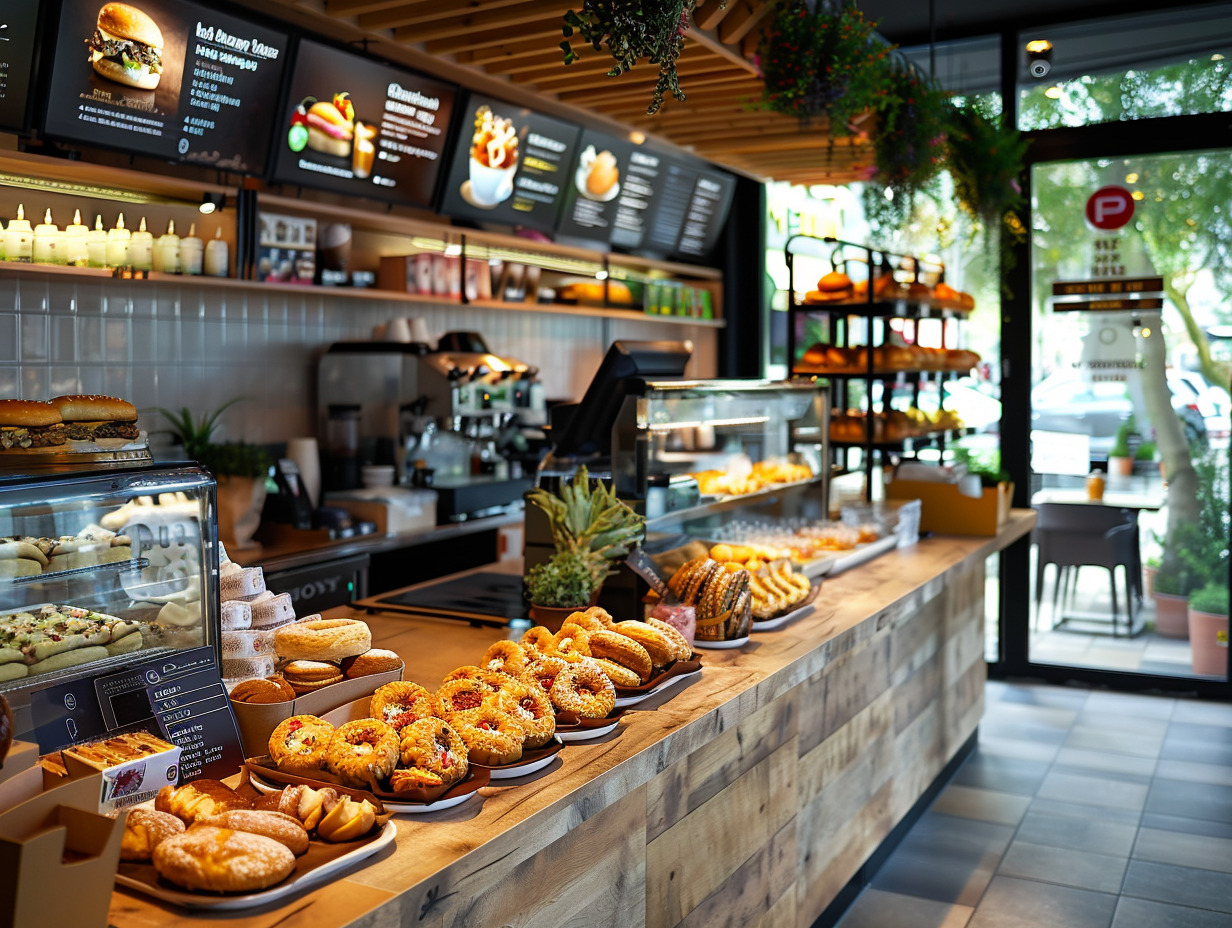
Faced with a more informed and demanding clientele, major fast-food chains are deploying innovative strategies to adapt to the growing demand for food diversity. McDonald’s, an iconic figure in this sector, is developing healthier food options and integrating more environmentally friendly practices into its processes. The adaptation of menus is a direct response to the wishes of consumers who advocate for balanced diets and eco-responsible values.
Restaurateurs are facing various challenges to maintain this dynamic of change. Implementing a diverse offering requires a revision of supply chains, adjustments to kitchen equipment, and staff training to ensure the quality and freshness of the products served. The Agec law, by banning the use of disposable dishes for on-site consumption, pushes these players to rethink their service model and invest in sustainable solutions.
The commitment of these brands to health and environmental protection is also reflected in transparent communication and targeted marketing. In this regard, fast-food chains strive to highlight their ecological commitment and their ability to offer a culinary experience in line with current food trends. This strategic evolution is fundamental to maintaining a competitive advantage in a market where ethics and corporate social responsibility are becoming predominant criteria for consumer choice.