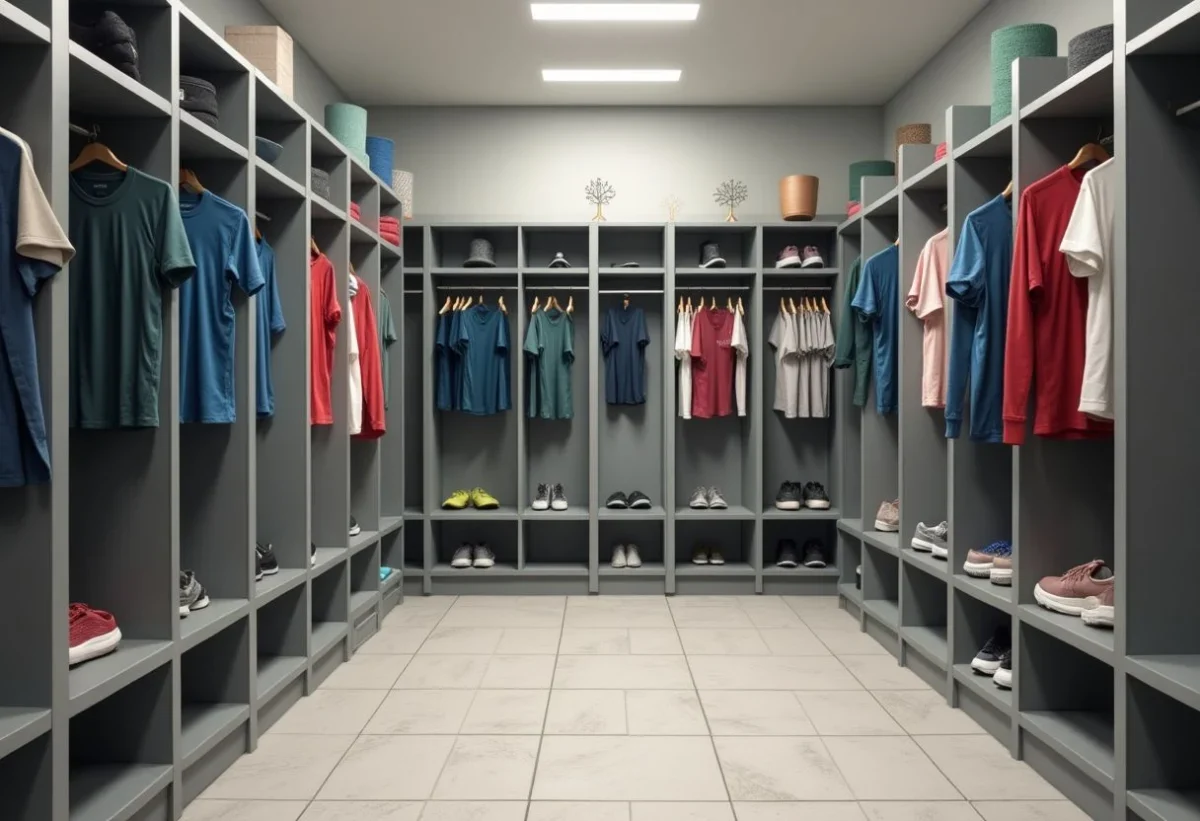
In many professional sectors, particularly in dirty industries like construction, food processing, or the chemical industry, the heated locker room has become an essential piece of equipment. But what makes this equipment so special and how does it work?
Definition and Functioning
Heated Industrial Locker Room
The heated locker room is a piece of equipment designed for the quick and efficient drying of work clothing, including jackets, gloves, and boots. Thanks to a ventilation and heating system, it allows these items to dry in just a few hours. Unlike traditional lockers, the heated locker room uses a forced warm air drying system that ensures optimal air circulation, thus preventing the accumulation of moisture and unpleasant odors.
Use in Workshops
Generally made of galvanized steel to resist corrosion, this type of locker is often used in workshops. Sturdy materials like steel plate ensure a long lifespan even in harsh working environments. It is an ideal choice for drying dirty clothing used daily while adhering to the hygiene and safety standards necessary in these environments.
Advantages and Equipment
Features and Equipment
Among its features, the heated locker room stands out for its effective ventilation system that ensures constant air circulation. This system is essential for odor retention and maintaining hygiene. Additionally, some models include specific holders for boots and gloves, thus optimizing space and drying efficiency.
Uses and Mobility
Heated lockers are not limited to drying. Many incorporate storage furniture, allowing for the storage of various work equipment. For environments requiring increased mobility, some models are equipped with integrated carts that facilitate their movement within the workshop or warehouse.
Choosing the Heated Locker Room
Selection Criteria
When selecting a heated locker room, several criteria must be considered. The power of the ventilation system, the height, and the capacity of the equipment are all determining factors. The price may also vary depending on the features offered. It is therefore important to compare lockers based on the quality and specific needs of your work environment.
Adaptation According to the Workplace
The installation location also influences the choice of locker. For a ventilated heated locker intended for an office, reduced dimensions and discretion are essential, while in a heavy industry context, robustness and rapid drying capacity take priority.
Therefore, consider evaluating your needs in advance to make the best possible choice and ensure a comfortable and secure working environment for your employees.